 Member Login


Botanical Arts
Floral Design
Exploring Botanical Arts in NGC Flower Shows
September 02, 2026


by Trish Bender
In the Southern United States and throughout Central America and Northern Mexico, October is the peak month for Pollinators. While many butterflies, bees and moths inhabit our landscapes from early spring through late autumn, October is the peak month for most butterflies to migrate to warmer winter habitats.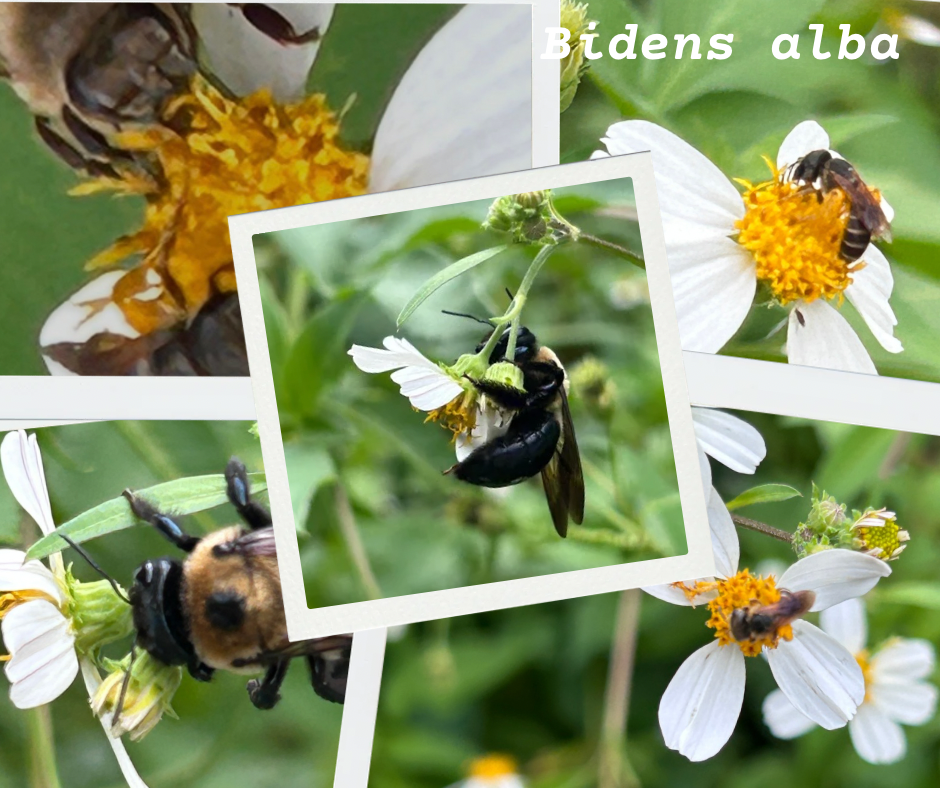
Like most migrating species, pollinators follow food sources. Beginning in late summer, many gardens as well as prairies and ruderal (disturbed) landscapes burst into wild tangles of blooms so dense that walking through them is nearly impossible. This density serves several functions. True wildflowers, as opposed to cultivated hybrids, often grow up to 5-6” high. Overlapping stalks support one another and provide structural stability against rain and heavy winds. Often, wildflowers are small in comparison to their stems and leaves so crowded groupings of these overlapping flowers are more attractive to pollinators who visit dozens, if not hundreds of flowers at each visit. After pollination, this density also serves as a productive source of seed dispersement. Songbirds feed on the seeds throughout the winter and can consume thousands of seeds per season. What does not get eaten, either falls to the ground, disperses on the wind, or on the fur of traveling mammals like deer, coyotes, and rodents.
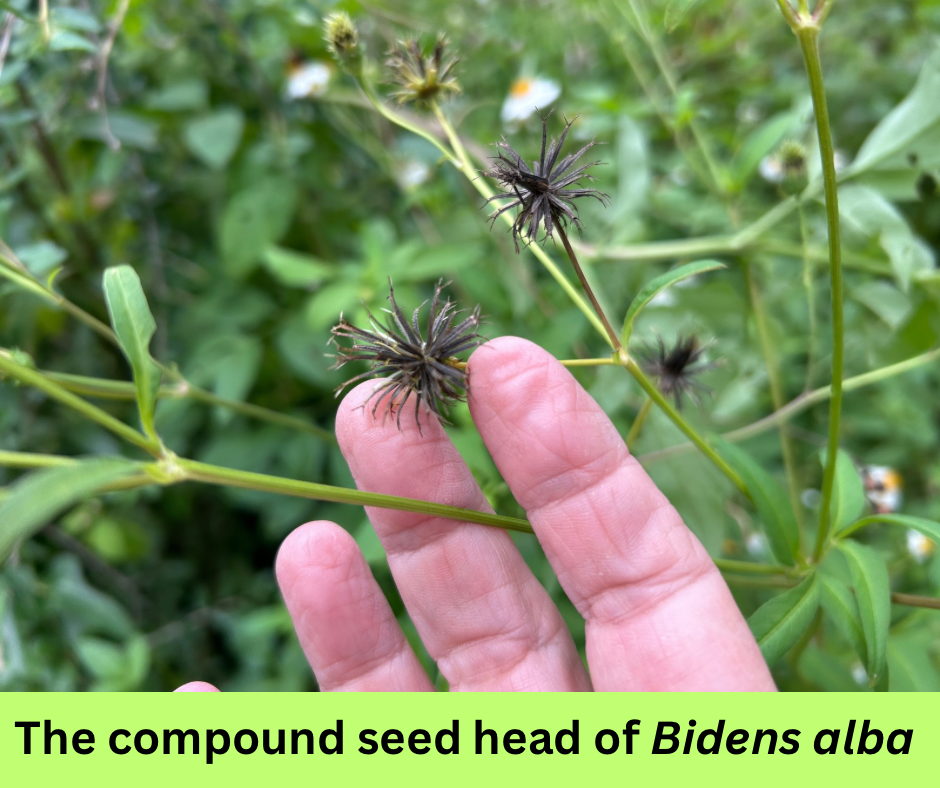
Both flowers and seeds have co-evolved with the respective insects and animals who visit them and one method of mammalian dispersal is called Epizoochory, a very clever, and sometimes bothersome method by which seeds develop hooks or burrs that catch on fur, clothing, or anything material that happens by them. Epizoochory evolved within many wild seeds to allow for longer distances of dispersal than wind or digestion allow.
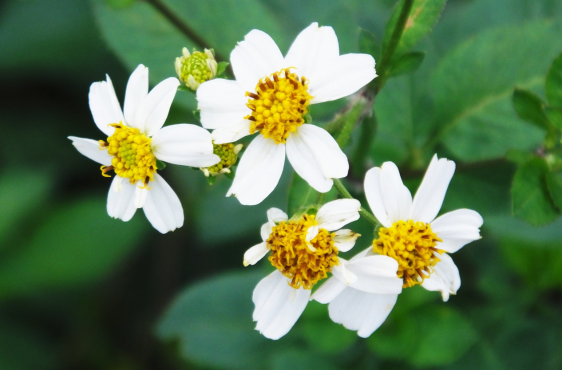
In my own garden, I grow Bidens alba, also known as Blackjack, Spanish needles, or Hairy beggarticks. Biden means two-toothed, which refers to the two hooks at the top of each seed (the hitchhikers). Alba refers to the bright white radially symmetrical petals that surround its lemon yellow centers. A member of the Aster family, Biden alba is native to many tropical and subtropical regions across the Americas, Asia, and Africa.
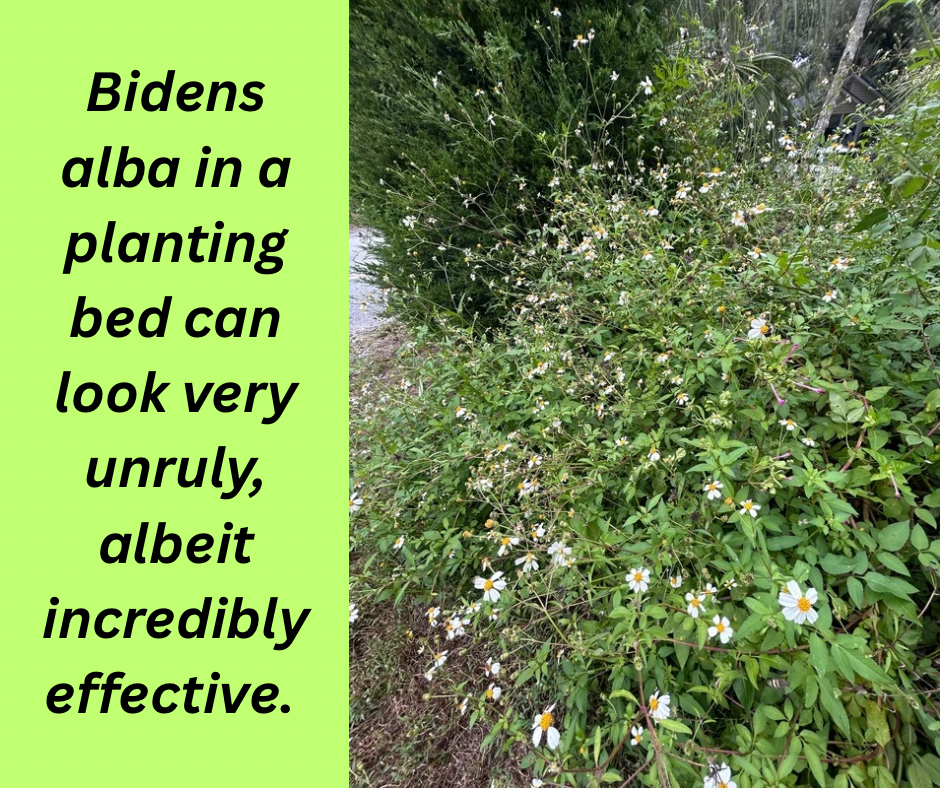
Considered a weed to the commercial landscape industry, it is quite possibly one of the most successful and free annual/semi-perennial wildflowers, with taproots that can reach down several feet into the soil, and flowers that reseed easily. As one horticulture friend of mine recently told me. “I love it but it takes up way too much real estate for my garden.” In other words, if you decide to plant this in your own pollinator garden, be warned. It will take over and spread by seed and side roots.
In many cultures the leaves and fresh shoots are cooked into soups and stews, and dried for tea or smoking. This plant can also be photo-toxic to the skin, although I have worked with it for many years and never experienced irritation.
My favorite reason for keeping this in my garden is its widespread appeal to bees, wasps, beetles, Skippers, Fritillaries, and Sulphur butterflies, and other beneficial insects.
In one 30-minute afternoon observation, I documented the following:
| Roadside skippers Brown skippers Small skippers Golden-banded skippers Clouded Sulphurs Gulf Fritillarys |
Common Buckeyes Carpenter bees Orchard bees Mason bees Sweat bees Green sweat bees |
Digger bees Cuckoo bees Blue-winged wasps Paper wasps Metallic beetles Black ants |
If you decide to take the plunge and plant Bidens alba in your landscape, I strongly recommend selecting a border area in full sun, or a meadow wild area where it can grow to its full height without disturbance. It mixes well with Monarda, Mountain Mint, Joe Pye Weed, Ironweed, Brown-eyed Susans, Turks Cap, and other tall wild flowers. Do not plant it wherever you want the planting area to be neat and tidy, as it will dominate and even outpace many of our more popular and well-behaved pollinator magnets like coneflowers, salvias, and cardinal flowers.