 Member Login


Wildlife
Pollinators and Insects
Gardening
One Wild & Wonderful Weed
October 08, 2026


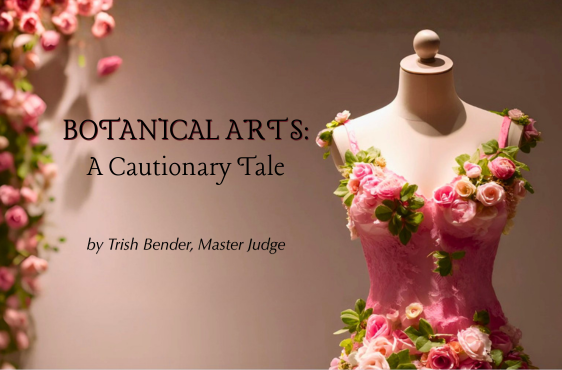
This ever-widening division in Flower Shows has become a catch-all for botanical creativity and includes everything from espaliered houseplants and fairy gardens to realistic, wearable items made from plant materials—even photography is now considered Botanical Arts.
New to NGC Flower Shows? Botanical Arts is one of many creative areas explored through NGC Flower Shows and Flower Show School, which offers courses in horticulture, floral design, flower show procedure, and judging.
Learn more about Flower Show School ↗
“Botanical Arts is a Division… that allows for additional types of Horticulture, Design, and art-like exhibits.”
— National Garden Clubs, Inc. Flower Show Handbook
A Flower Show Master Judge recently interpreted this statement for a garden club member: “I think of Botanical Arts like the ‘Any Other Class’ in a Horticulture Division’s schedule. If it doesn’t quite fit the other named Divisions, it’s probably Botanical Arts. That’s not to say anything goes, but it sure allows for a wide array of creative expression.”
The Botanical Arts Division now includes four distinct subdivisions: Botanical Horticulture, Botanical Design, Botanical Artistic Craft, and Photography. One or more of these may be included in a Standard Flower Show.
Flower shows all over the globe are devoting more floor space to Botanical Arts. The Philadelphia Flower Show allocates about 20% of personal exhibitor space to jewelry, collage, and displays. Other shows allocate nearly 30% of their floor space to Artistic Craft, including jewelry, handbags, and embellished creations.
While Botanical Arts is a boon for both flower show event planners and creative exhibitors, it can be a nightmare for judges and schedule writers who are quickly having to adapt to the explosion of demand. After all, how do you apply specific rules and judging guidelines to something with such a wide range of creative possibilities? As a Master Judge, my answer lies in three essential components: Scale of Points, Schedule Writing, and judges’ willingness to humbly and flexibly learn how to apply both when judging.
SCALE OF POINTS
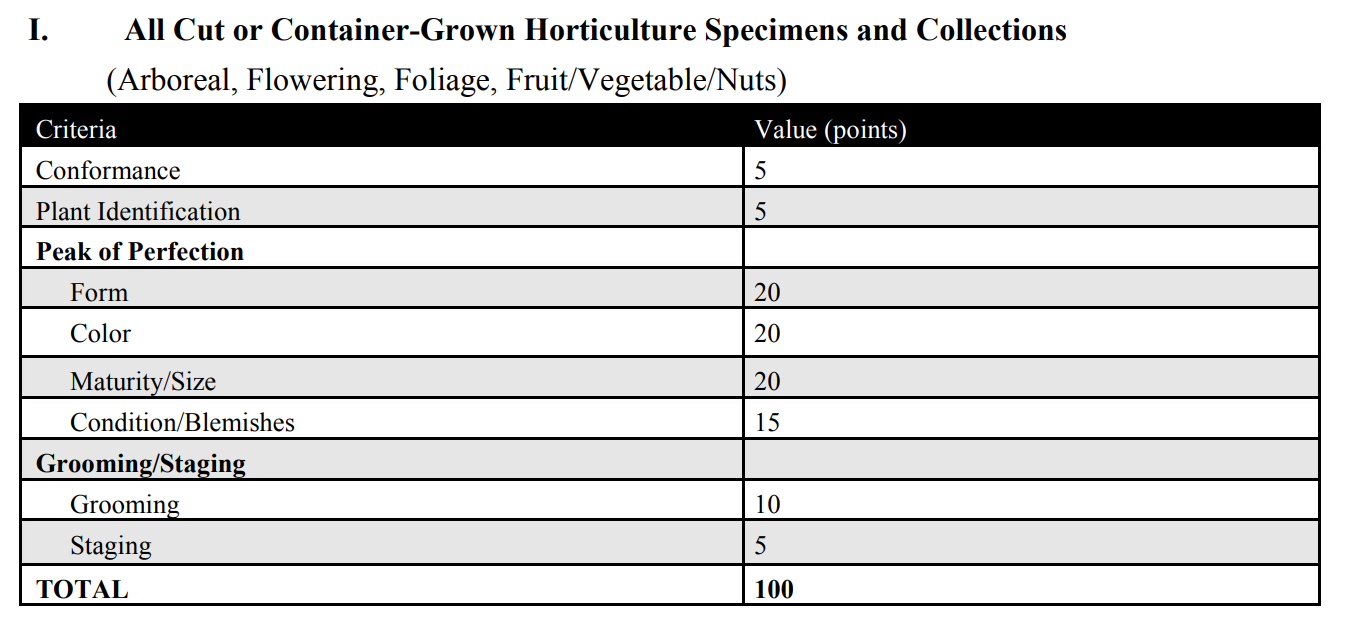
Each Botanical Arts subdivision uses its corresponding NGC Scale of Points. Botanical Horticulture uses the Horticulture or Combination Plantings scale; Botanical Design uses the Design scale; Botanical Artistic Craft uses the Artistic Craft scale; and Photography uses the Photography scale.
SCHEDULE WRITING
When writing a flower show schedule, every description and guideline should relay to the exhibitor exactly what is provided, what is allowed, what is restricted, and what is expected. One helpful approach is to write the schedule with the assumption that the exhibitor is completely unfamiliar with the space.
The description should paint a picture detailed enough that the exhibitor can picture the space in their minds before beginning their exhibit. The Schedule may also include a picture of the staging that awaits each exhibit. Each of these guidelines should also align with the Handbook for Flower Shows. In fact, it is helpful to include a reference to the Handbook page within the description. This invites the exhibitor to dig a little deeper before taking the plunge.
Atmosphere is also helpful; for example: “each exhibit will be staged against a light gray wall under fluorescent lighting." This information can make or break a designer’s plan.
In addition, knowing how it will be viewed by judges and visitors is also helpful; for example: “these exhibits will be viewed from three sides and judged from the front only.”
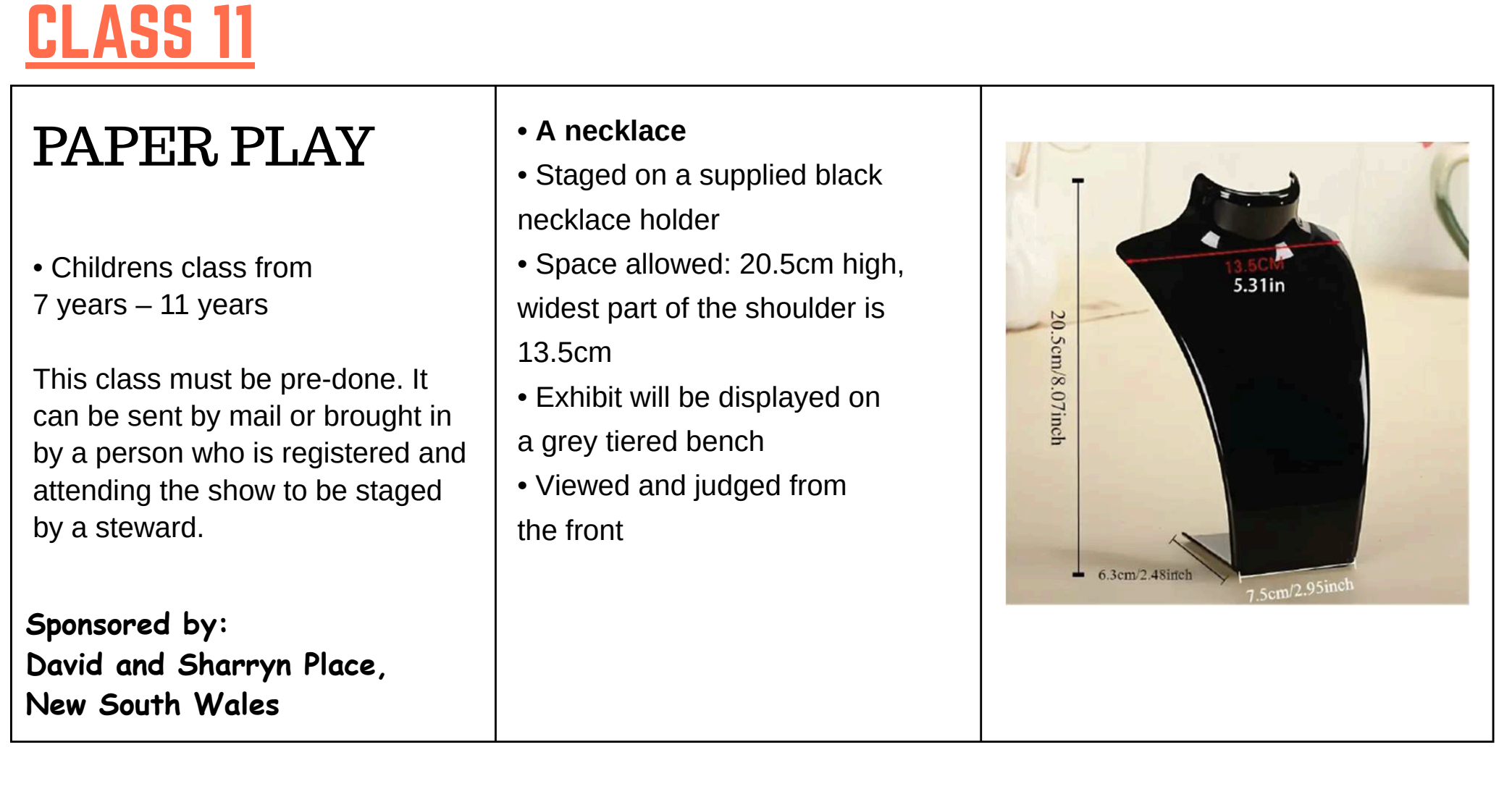
REALISM vs EMBELLISHMENT
Unlike the Horticulture and Design Divisions, Botanical Artistic Craft requires one monumental addition to the schedule writing. Each exhibitor should be told whether the item should be Realistic or Embellished. There is a significant difference between an embellished gift box and a plant-made, realistic gift box. An embellished gift box begins with an actual box that is enhanced with plant material. A realistic gift box, by contrast, is created from scratch to resemble a box, with all visible components made from plant material.
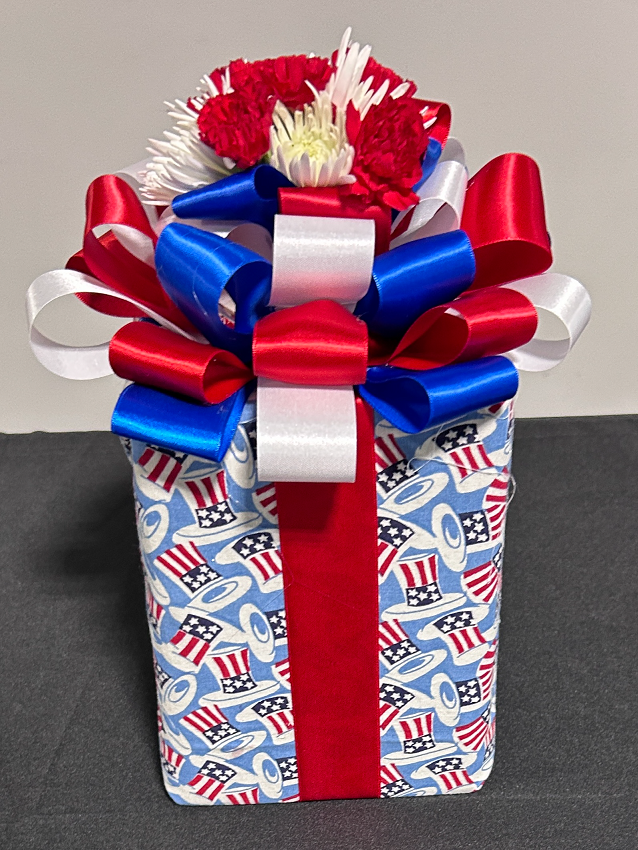
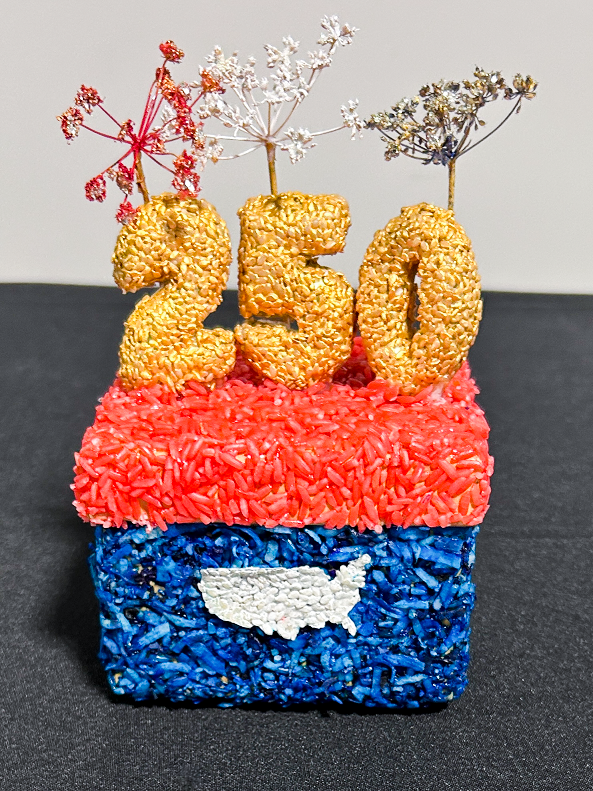
The box on the left, by Lorraine Van Wickler, is embellished; however, the box on the right, by Barbara Chan, is realistic.
Both exhibitors created beautiful entries and both followed the schedule’s description, but they are almost impossible to judge against one another because the schedule did not specify if the entries should have been embellished or realistic. In a perfect world, both types can be included in a show, but should not be judged against each other.
PLANT MATERIAL REQUIREMENTS
Another overlooked part of Botanical Artistic Craft schedule writing is a required description card for materials used. Including this as a requirement serves two purposes. First, it proves that the exhibitor used raw plant material components within their exhibit. Second, it helps judges and visitors understand how the finished piece was created and what botanical components were incorporated.
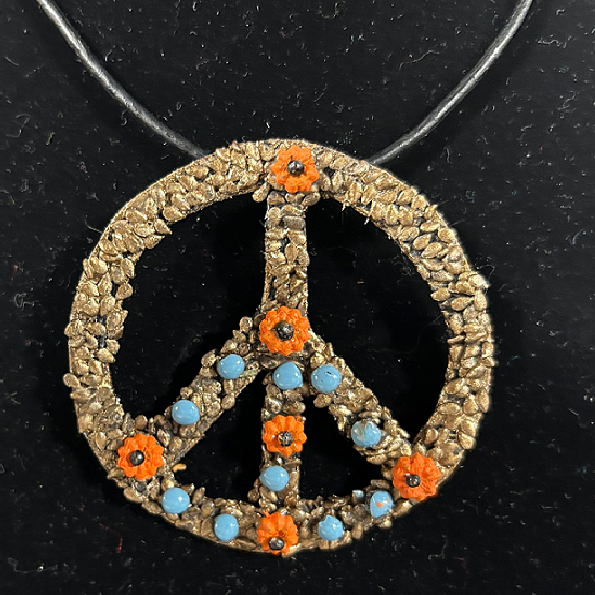
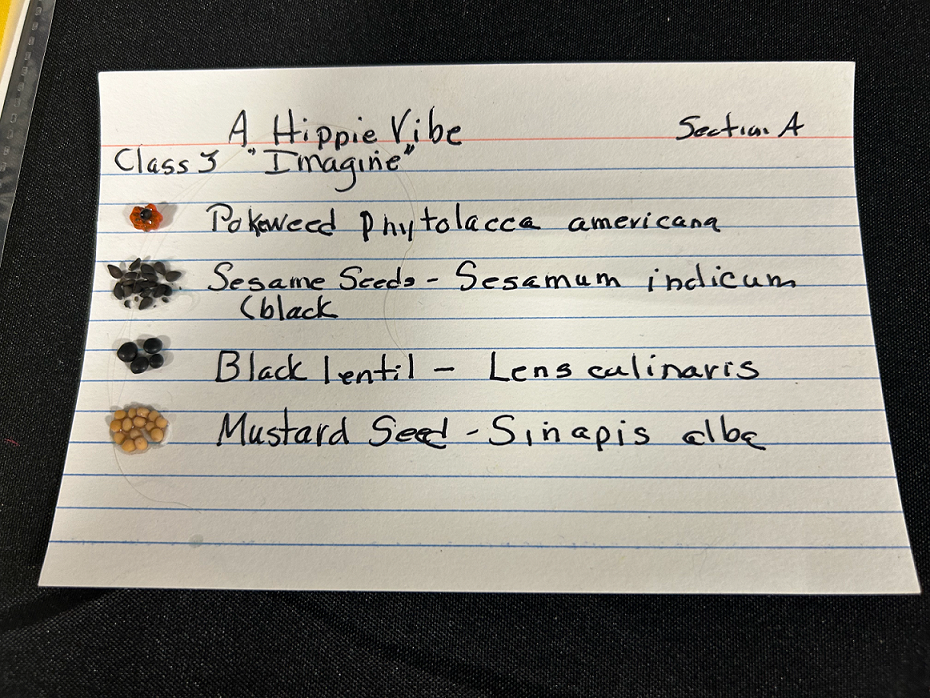
The “Imagine” Peace Necklace is one example of how these requirements can be applied in a Botanical Arts exhibit.
Each exhibitor must list all plant materials used, including botanical names, and provide raw samples of each on the 4" × 6" index card supplied by the show committee.
Interested in learning more about NGC Flower Shows? Explore Flower Show School to discover courses in horticulture, floral design, flower show procedure, and judging.
Learn more about Flower Show School ↗
View the full unedited essay here: Botanical Arts: A Cautionary Tale (PDF)