National Garden Clubs, Inc.

Ongoing Projects

National Garden Clubs' members coast-to-coast participate in numerous ongoing projects.

Among the most visible and popular service projects nationally is the Blue Star Memorial initiative, which honors U.S. servicemen and servicewomen and beautifies public settings. Since the program's inception in 1944, garden clubs have dedicated nearly 3,000 markers along U.S. highways and at national cemeteries, parks and government facilities.  A related project is Sage & Roses, which uses email holiday greetings to raise funds for erecting new Blue Star Memorial markers.

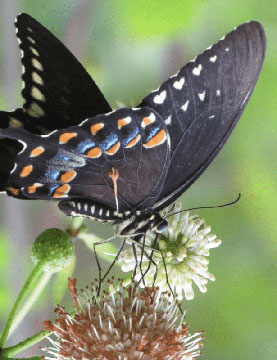
National Garden Clubs' Butterfly Garden is located at the U.S. Botanic Garden in Washington, DC.  The butterfly garden is one of several elements within the three-acre National Garden.  Features of the garden include a bronze sundial by Clydetta Flumer of Georgia which features butterflies and roses and four butterfly benches.  NGC continues to fund the educational Butterfly booklet for children visiting the garden.  In addition to the butterfly facts and pictures, there are also activities, crossword puzzles and a guide for tracking butterflies as they walk through the garden.

Garden club members creatively and effectively address current issues, such as the effects of climate change effects, water sheds, recycling, highway beautification and other environmental concerns. Local and state projects and national partnerships give garden club members everywhere an opportunity to make a difference while engaging in activities they love.

NGC's Standard Flower Shows are colorful, enjoyable events that continue to draw crowds across the U.S. while giving garden club members an opportunity to exhibit plants, floral arrangements and educational exhibits.  Flower shows help spread the word about the joys of gardening and serve as forums for learning design trends for the home, new cultivars in horticulture and what trees, shrubs and plants grow well locally.

Encouraging the development of local programs that use gardens therapeutically is another benefit to communities by National Garden Clubs' members. Outstanding examples of garden therapy programs include supporting a fragrance and tactile garden at a school for the blind in North Carolina; teaching gardening skills to developmentally challenged high-school students in Maryland; planning, planting and maintaining a healing garden at a nursing home in Virginia.  Through its diverse garden therapy program, National Garden Clubs members bring rewarding results to individuals and communities.

Garden clubs across the nation raise money annually in support of the U.S. Forest Service "Penny Pines" program, which replants damaged state and national forests.

National Garden Clubs strives to educate children and teens about gardening, conservation and environmental stewardship. Promoting youth gardening activities in schools and public locations is a key element of the youth initiative. One key program is the National Garden Clubs' Girl Scout Native PlantsPatch, which promotes the study and use of native plants and how to establish beauty spots in their communities.

Garden clubs commemorate the first full week in June as National Garden Week by sponsoring a variety of community events.

Youth-directed programs include poetry, essay and art contests, such as a sculpture competition using recyclable materials to the Smokey Bear/Woodsy Owl  poster contest, a 50-year program sponsored in cooperation with the U.S. Forest Service.